Exclusive Insights from Sessions 3-4
Conquering Competition
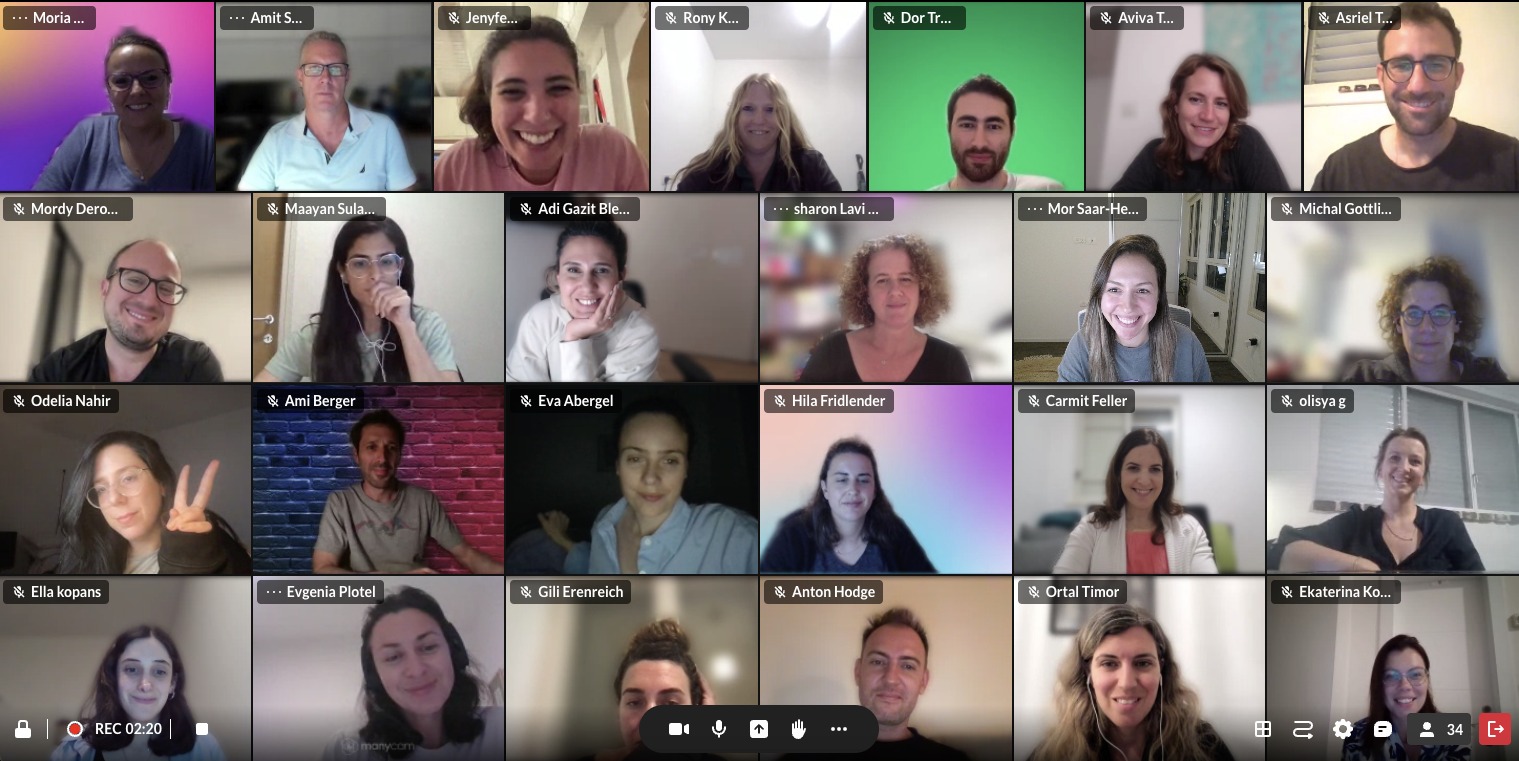
The third session of the G-CMO Academy's PMM Mastery program, led by Amit Sheps, Director of Technical Product Marketing at Aqua Security, was held on Sunday, April 14. Sheps, a seasoned professional in the field, shared his profound insights on competition and strategies for market dominance.
While competition is often perceived as negative, Sheps explained that it can bring good value and drive businesses to excel.
Competition provides three key benefits: indication, education, and innovation:
💡 Indication - Competition means that you have a total addressable market and are doing something right.
💡Innovation - Competition acts as a catalyst, constantly pushing your business to innovate and strive for excellence.
💡Education - Competition means that you don't have to educate the market and invest in explaining why your customers need your product.
Sheps emphasized the scope of our competitors to include indirect competition, such as other solutions and free tools, like open-source tools or even Excel. He shared some valuable tools on competitive Intelligence—how to collect data, analyze it, and use it for product marketing needs.
The class was moved online at the last minute due to the circumstances in Israel, but it was still inspiring and enriching.
Sheps: “It was a pleasure to meet all of you. The program looks great, and the sessions are really insightful.”
Product Positioning and Differentiation
Hillel Geiger, the distinguished VP of Corporate Marketing at Amdocs, led the fourth session of the PMM program. Geiger gave us an exciting tour of Amdoc’s newly eco-friendly and impressively designed offices. The session focused on product positioning and differentiation and was a truly engaging experience. The session was interactive and thought-provoking.
Geiger emphasizes the importance of understanding customer needs and differentiating one's brand from competitors. Here are some key takeaways:
- Positioning is the act of defining where a product or service fits into the market relative to its competitors as perceived by customers. It involves identifying customer needs and differentiating the offerings from those of competitors.
- Market segmentation involves dividing the target market into approachable groups based on geographic, demographic, psychographic, and behavioral criteria. It helps provide better messaging and differentiate the brand from the competition.
- Unique selling points (USP) are essential in positioning strategies and involve identifying what the business does well, what the customer wants, and what the competition lacks. It is about offering something unique and valuable to the customers.
Geiger emphasizes the crucial need to maintain a consistent USP/positioning (unless it is not working) to avoid losing one's market position.

A word from the program’s lecturers:
Yitzy Tennenbaum, a senior PMM at Palo Alto Networks: “I was privileged to teach the second lesson in the first cohort of the PMM Mastery Program on Vision, Mission, and Value Proposition. The session laid the groundwork for building a comprehensive go-to-market strategy.
I was pleased to meet a group of talented marketers with diverse backgrounds. As G-CMO sees its vision fulfilled, with more and more marketing teams kept here in Israel, the need for talented Product Marketers with eclectic and diverse skills is in high demand. The Product Marketing Mastery Program provides these marketing leaders with the tools they need to become the Product Marketing leaders of tomorrow”.